
Sigulda and Cēsis: Countryside Retreats in Gauja Valley
Explore medieval charm and natural beauty where ancient castles meet pristine forests. Discover where to stay, local hiking trails, and how to balance active exploration with genuine relaxation.
Two Towns, Two Centuries of History
Sigulda and Cēsis aren't just quiet villages tucked into Latvia's Gauja Valley. They're living museums where you can actually experience something real. Medieval castle ruins sit alongside working estates, narrow cobblestone streets lead to hidden courtyards, and forests surround everything.
What makes these towns different from typical European tourist destinations? They're not overcrowded. You won't fight through crowds to see a landmark. Instead, you'll find yourself wandering at your own pace — stopping at a café when you feel like it, sitting on a bench overlooking the valley when something catches your eye.
Both towns sit along the Gauja River, which carved this dramatic valley over thousands of years. The landscape shapes everything here. It's why hikers come, why photographers return, and why people looking for genuine rest find it.
Sigulda: Castles, Caves, and Forest Trails
Sigulda's main draw is obvious — you've got three castles within walking distance of each other. But here's the thing: you don't have to visit every single one. The best approach is to pick one or two and actually spend time there rather than rushing through all three like it's a checklist.
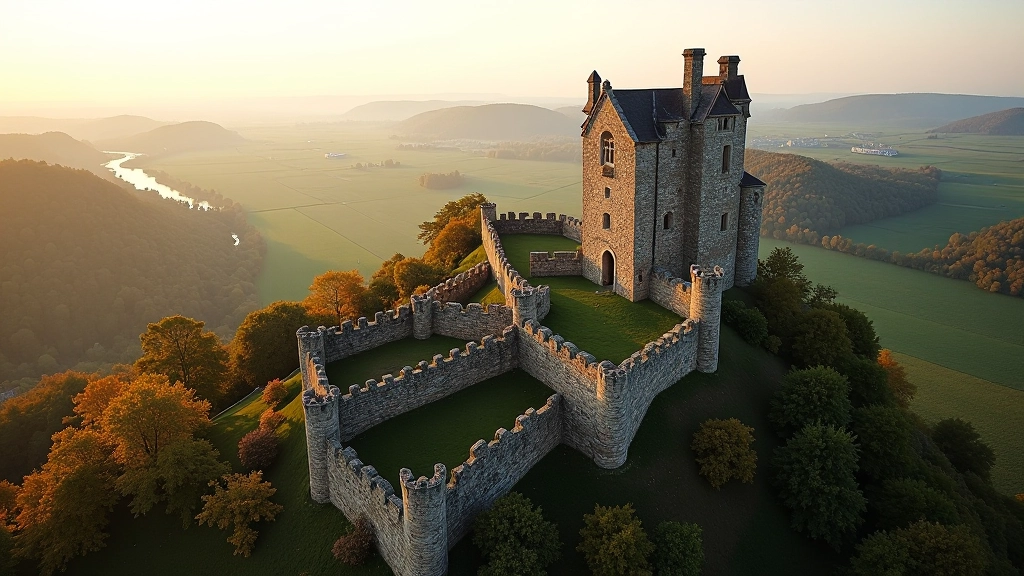
Sigulda Castle is the big medieval one with actual walls you can walk along. The views from the castle ramparts stretch across the entire valley. On clear days, you'll see forest rolling in all directions. Most people spend 1.5 to 2 hours here exploring.
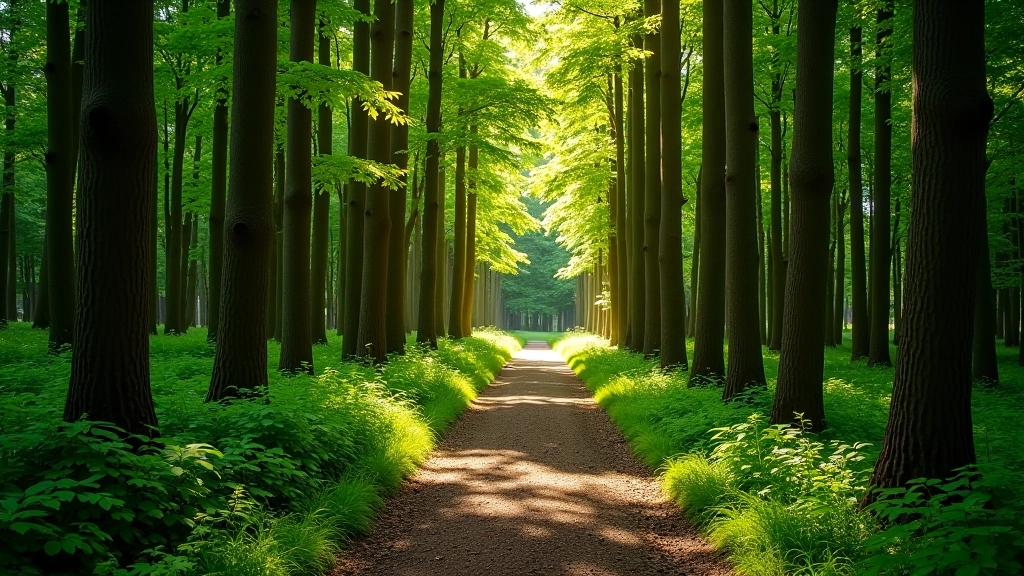
But the real secret? The Gauja River gorge. A hiking trail runs along the riverbank for about 8 kilometers between Sigulda and Krimulda. It's not strenuous — mostly flat with some gentle climbs. You'll pass waterfalls, limestone cliffs, and pine forests. The trail takes roughly 3 hours at a comfortable pace, and you'll barely see another person.
Pro tip: If you're not doing the full 8km hike, take the shorter 2km path to Gutmanis Cave. It's a natural limestone cave right in the cliff face, and the walk there is worth it just for the scenery.
Travel Information Note
The information provided here is educational and based on general travel conditions as of April 2026. Opening hours, trail conditions, and accessibility can change seasonally or due to weather. Before visiting, check official tourism websites for current details about attractions, accommodations, and outdoor activities. Weather in Latvia's countryside can be unpredictable — always plan for rain and bring appropriate footwear for hiking.
Cēsis: Medieval Heart of Vidzeme
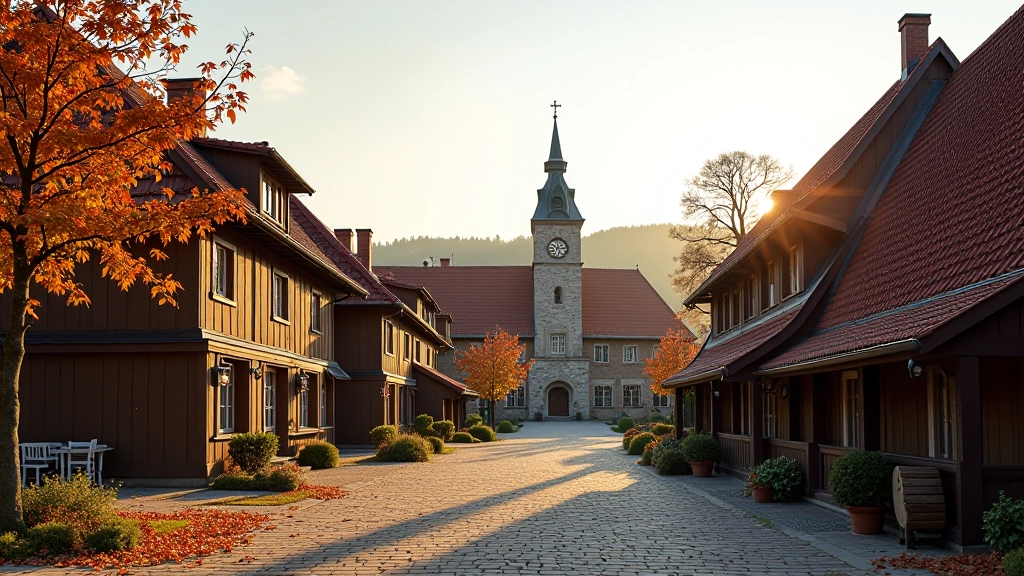
Cēsis feels older than Sigulda. The whole town seems to be built around its castle and the surrounding medieval layout. Streets are narrower, buildings are more traditional, and there's less modern development competing for attention.
Cēsis Castle is actually occupied — it functions as a museum and cultural center, which means it feels lived-in rather than like a preserved ruin. You can walk through rooms where medieval nobles actually spent time. The castle kitchen is particularly interesting because you get a real sense of daily life, not just military strategy and royal intrigue.
The town itself is worth wandering. There's a main square with cafés and small shops selling local goods — not touristy trinkets, but things people actually make. A small brewery produces craft beer you won't find elsewhere. A local bakery makes traditional Latvian breads. This is where you slow down and actually relax, not just rush between attractions.
The Gauja River runs through Cēsis too, with walking paths along its banks. If you're not a serious hiker, these gentle riverside walks are perfect. About 4 kilometers north is Āraiši Lake with reconstructed Viking Age wooden buildings — a genuinely unique archaeological site.
Explore More Retreats
Where to Stay: Finding Your Balance
The accommodation situation in both towns is straightforward. You're not getting luxury five-star resorts — that's not what these places are about. What you're getting is comfortable, clean, authentic places run by people who actually care.
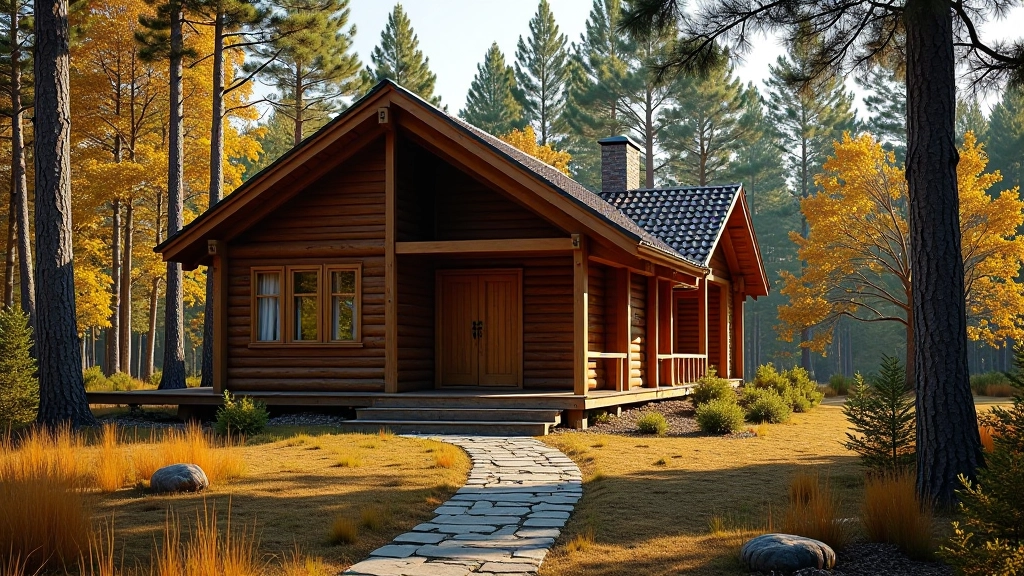
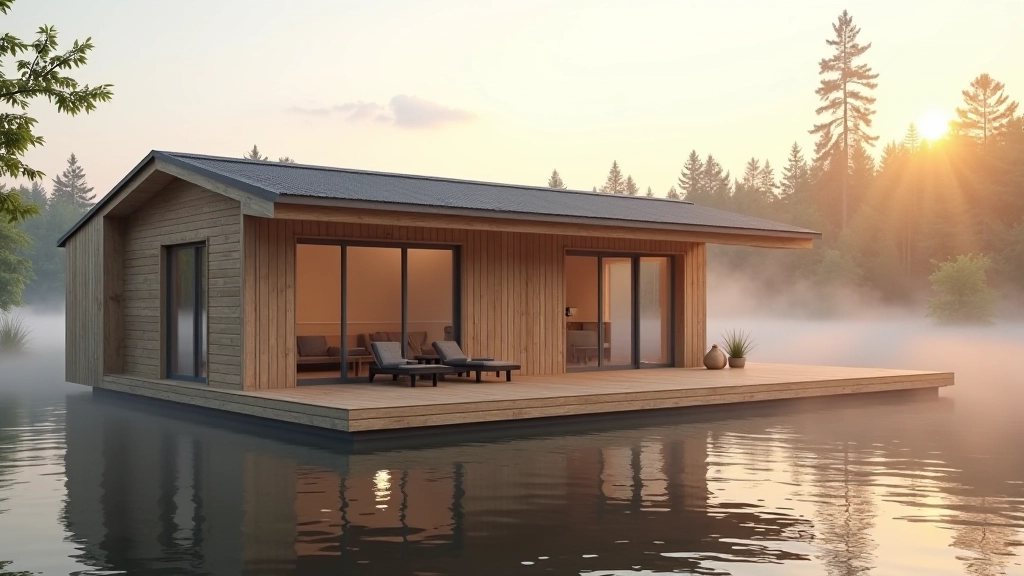
Sigulda has more tourist infrastructure because it's more developed. You'll find guesthouses ranging from basic to upscale, a few larger hotels, and some cottage rentals on the outskirts. Staying in the town center puts you walking distance from the castle and shops. But honestly? Staying outside town in a forest cottage is where the real relaxation happens.
Cēsis is smaller and quieter. Guesthouses are family-run, often in converted historic buildings. There's something special about staying in a 200-year-old house that still feels like someone's home, not a hotel. You'll eat breakfast with the owners, get recommendations that aren't in guidebooks, and leave feeling like you've actually connected with the place.
Choosing Wisely
- Book accommodations in advance during weekends and autumn (September-October)
- Ask your guesthouse about local trails and lesser-known spots
- Expect to pay €40-80 per night for comfortable guesthouses
- Forest cottages offer solitude but require a car for exploring

The Real Balance: Active and Quiet
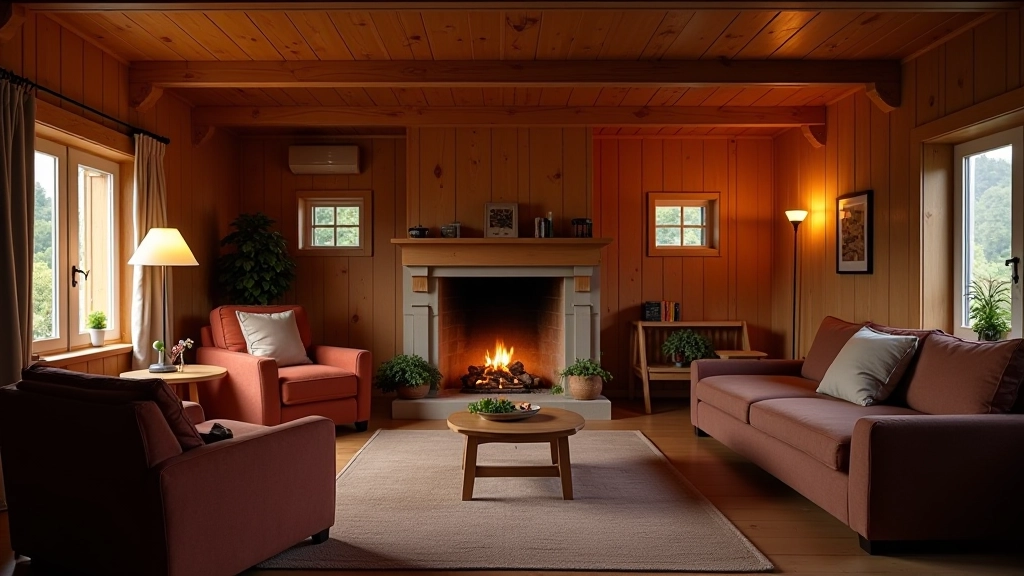
Here's what makes Sigulda and Cēsis different from typical vacation destinations. You're not forced into a choice between "adventure" and "relaxation" as if they're opposites. You can hike for three hours in the morning, then sit quietly in a café for an hour. You can explore a castle, then spend an afternoon reading in a forest clearing.
Both towns are close enough to Riga (about 50 kilometers from Sigulda, 40 from Cēsis) that you could visit as day trips if you wanted. But don't. That's missing the whole point. Stay at least two nights. Let yourself settle in. Walk without a specific destination. Talk to local people. Notice how the light changes as the day goes on.
This is countryside retreat done right. Not a manufactured "wellness experience" but actual quiet, actual beauty, and actual rest. The kind where you come back feeling like you actually took a break instead of just traveled to a different location.
Ready to explore Latvia's other retreats?