
Peaceful Nature Spots in Latvian National Parks
Discover genuine recharging spaces in Gauja, Kemeri, and beyond. Real trails, seasonal highlights, and what to actually bring.
Why These Parks Matter for Real Recovery
Latvia's got five national parks, and honestly, they're not all the same. Gauja Valley brings dramatic ravines and forest canopy. Kemeri offers boardwalks through protected wetlands. Slītere combines coastal cliffs with ancient pine forests. If you're looking to actually disconnect and recharge, you'll need to know what each one delivers.
The thing is, visiting a national park isn't just about showing up. There's a rhythm to it — timing matters, what you bring matters, where you step matters. We've spent years exploring these spaces, talking to rangers, and seeing what works for people who genuinely want quiet time in nature. That's what you'll find here.
Gauja Valley: The Classic Choice
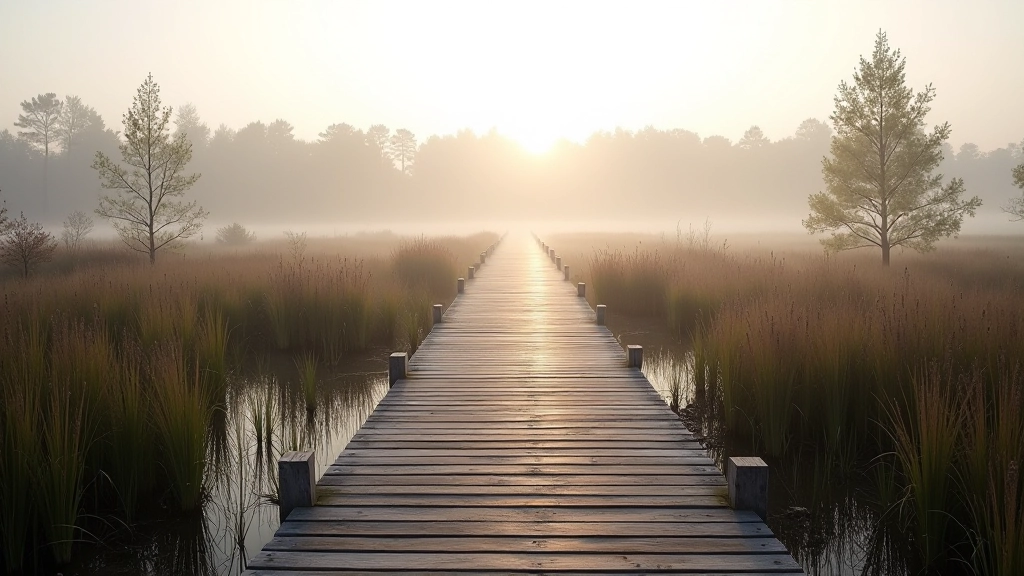
Gauja's the most visited for good reason. The valley drops nearly 100 meters in places, and you get proper forest — oak, spruce, and beech mixed together. The river winds through everything, and the light changes constantly depending on where you're standing.
Best trails? The Pils Gorge path takes about 2.5 hours and keeps you right along the ravine edge. You'll see the river maybe 50 meters below, stone outcrops, and forest that's been there for centuries. Spring's magical here — everything's emerging and the water's high from snowmelt. Autumn brings reds and oranges that actually work for photos.
Quick Facts: Gauja Valley
- Main trail: Pils Gorge (2.5 hours, moderate difficulty)
- Best time: May-June, September-October
- Wildlife: Red deer, lynx (rarely seen), wild boar tracks
- Bring: Good shoes with grip, water, light jacket
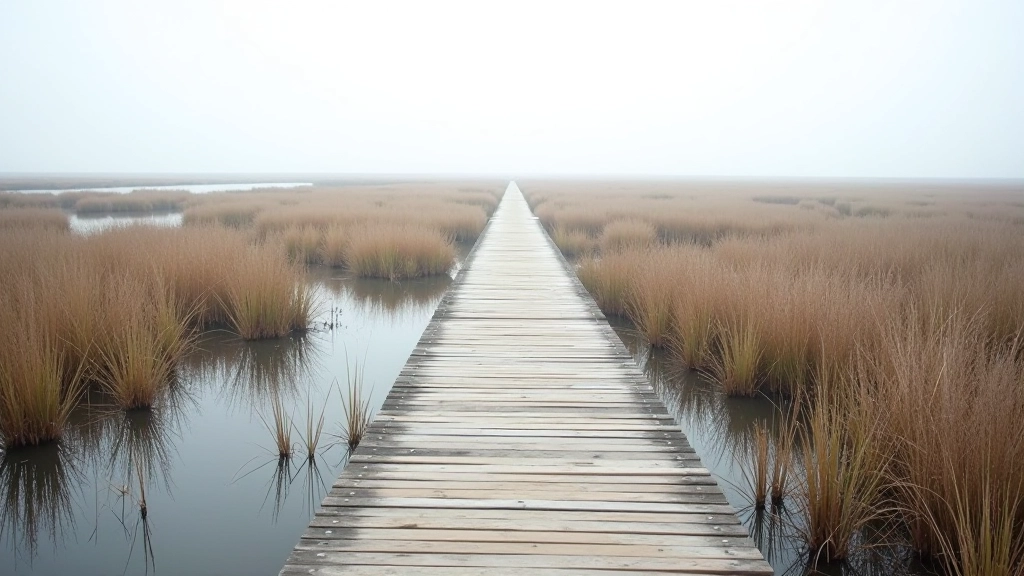
Kemeri: Where Wetlands Meet Quiet
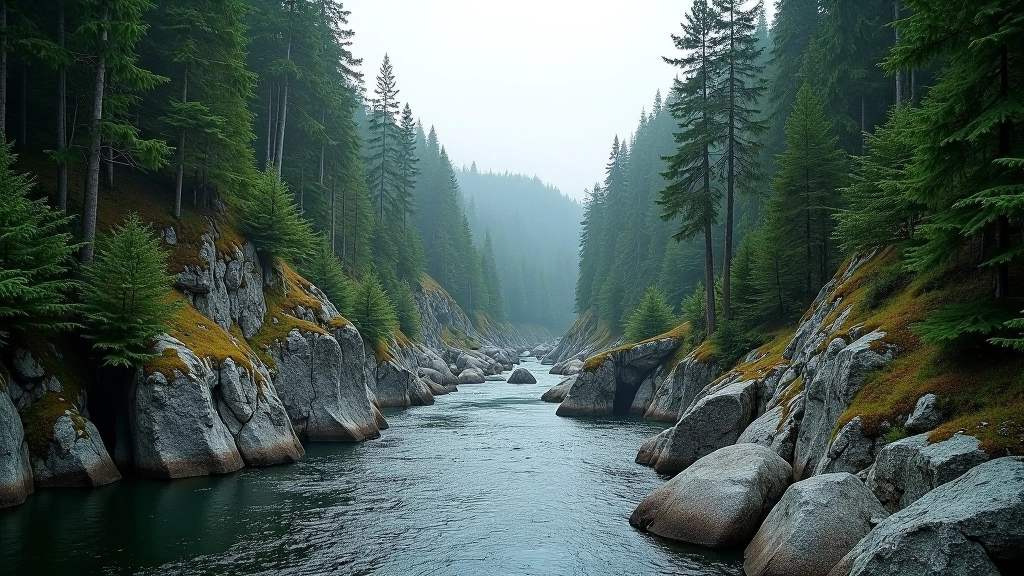
Kemeri's different. Instead of valleys, you've got protected wetlands — marshes, bog forests, and this incredible ecosystem that's genuinely rare in Europe. The boardwalks keep you above the actual water, which means you're walking through something untouched.
The Great Kemeri Bog boardwalk is about 3.2 kilometers and flat the entire way. You're moving through dwarf pine, sphagnum moss, and open water. Sounds quiet because it is. On a grey morning, you'll see maybe 5 other people the whole time. Summer brings mosquitoes — bring repellent, seriously. Winter and early spring are actually perfect. The air's clean, you can see further because trees haven't leafed out, and the water reflects everything.
Wildlife here's subtle. You won't see much moving around, but the tracks tell you what's there. Moose use these paths. So do lynx, though they're nocturnal. What you will see: crane flocks in migration season, otters leaving marks on the banks, and sometimes white-tailed eagles if you're patient enough to wait.
Important Information
This guide is informational and educational. Park conditions, trail accessibility, and wildlife presence vary by season. Always check official park websites for current trail status, weather warnings, and any temporary closures before visiting. Bring proper equipment for the season — weather in Latvia's forests changes quickly. If you're unfamiliar with trail navigation, consider hiring a local guide. Park rangers can provide real-time conditions that won't be in any online guide.
Related Getaway Guides
Seasonal Timing and What to Expect
Timing changes everything. Spring (May-early June) brings wildflowers and active wildlife as everything wakes up. You'll hear more bird calls than any other season. Water levels are high, so boardwalks get wet and slippery — bring shoes with real grip.
Summer's crowded. June through August brings families, school groups, and tourists. The parks are beautiful but noisier. If you want solitude, avoid July and August unless you're hiking before 8 AM. Bugs are intense. We're talking mosquitoes, deer flies, and horseflies that actually hurt when they bite. Bring serious repellent or accept getting bitten.
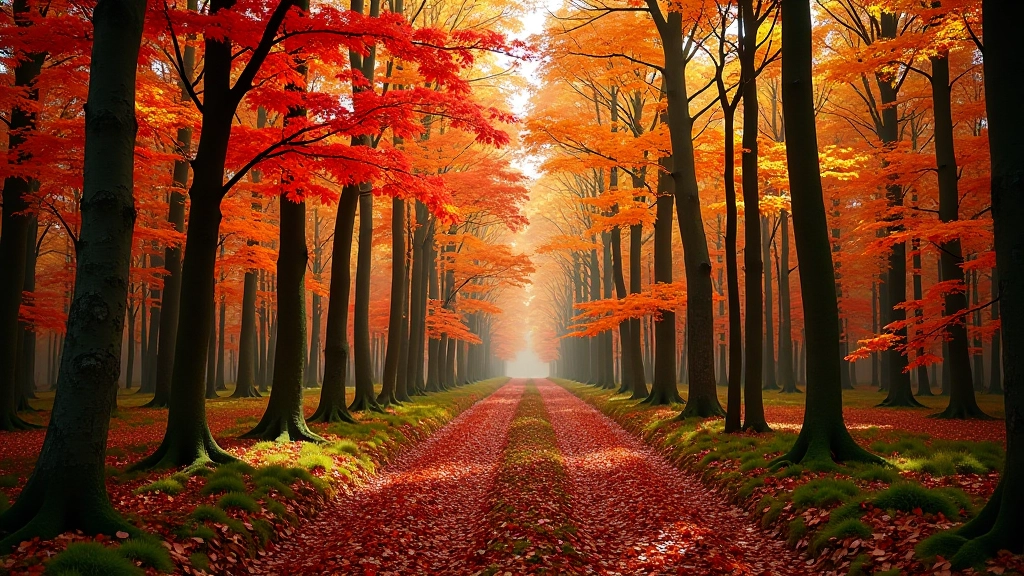
Autumn (September-October) might be perfect. Weather's stable, colors are changing, insects die off, and crowds vanish. Temperature's cool enough that you won't sweat walking, but warm enough that layers work. October gets rainy and muddy — trails get slippery again.
Winter's underrated. December through February is cold and quiet. Boardwalks ice over. Trails get harder to navigate. But if you're prepared with proper boots and winter gear, you get the parks almost entirely to yourself. Sunrise's late, sunset's early, but the light quality is stunning.

Practical Essentials: What Actually Works
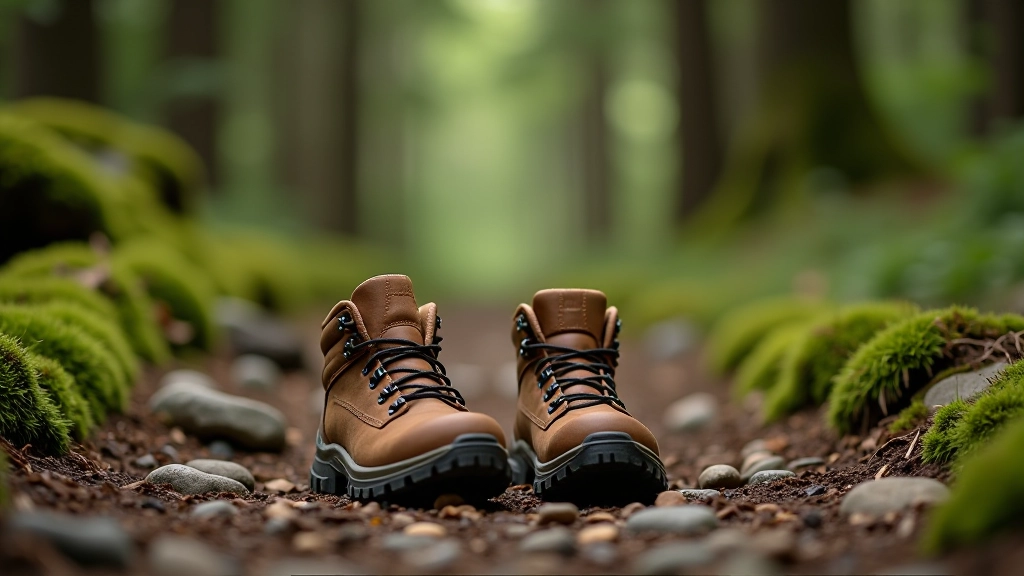
Good shoes matter more than anything else. You'll be on uneven terrain, possibly wet boardwalks, and sometimes muddy paths. Trainers won't cut it. Get actual hiking shoes with ankle support and a grip sole. They'll cost 80-150 EUR but they'll last years if you take care of them.
Bring more water than you think you need. A 1.5-liter bottle minimum. If you're doing a longer trail, bring 2 liters. There aren't drinking fountains out there. Snacks matter too — something with actual calories. Nuts, chocolate, dried fruit. Not just granola bars.
Layers work better than one heavy jacket. Start cold. You'll warm up walking. The weather changes fast in forests — it can be sunny on an open path and grey under tree cover just 100 meters later. Bring something waterproof even if the forecast says clear.
A map or offline GPS helps. Cell service is spotty in the parks. Download maps to your phone before you go. Know the main trail markers. Red, blue, and yellow stripes mark different routes. Don't assume you can just wander.
The Honest Truth About Recharging in Nature
You can't just show up to a national park and expect everything to work. It takes planning, the right gear, and honest preparation. But here's what happens when you get it right: you'll actually disconnect. Not the Instagram version of nature where you're posting photos every 10 minutes. Real disconnection.
Gauja Valley gives you drama and scale. Kemeri gives you solitude and systems. Slītere (if you venture north) gives you coastal forests you won't find anywhere else in the Baltics. Each park works differently depending on what you need.
Start with one trail. Pick a season that matches your tolerance for crowds and weather. Go with someone if you're new to hiking, or go alone if you want genuine quiet. Come back different. That's how these parks work — they're not Instagram moments, they're actual recovery spaces if you treat them that way.